
What happens in the jar?
Salt draws water out of the cabbage and a brine forms. Under the brine there is no oxygen, and the salt slows down many of the microbes that cause spoilage. Lactic acid bacteria tolerate both.
The acid makes the kimchi sour and helps it keep for longer. At the start, the species at work are mostly ones that produce carbon dioxide as well as acid, which is why bubbles rise. Later, species that tolerate more acid take over.
How much salt does kimchi need?
The cabbage is salted first so that it softens and releases water. Excess salt is then rinsed off. In many recipes, the salt content of the finished kimchi is around 2 to 3 per cent.
Too little salt makes the vegetables go soft, too much slows down the fermentation.
How can I tell that it is going well?
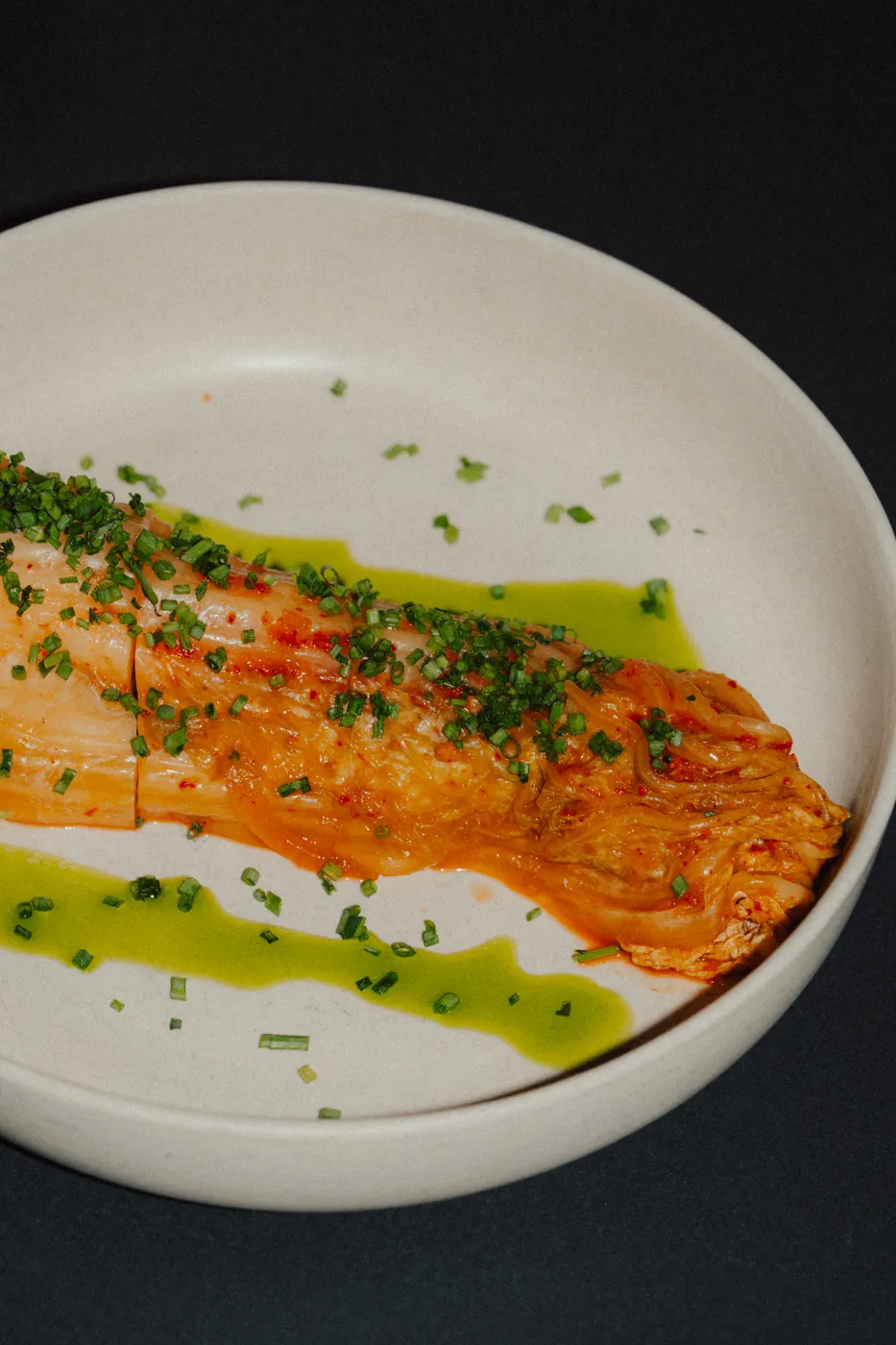
After one to three days at room temperature, bubbles rise, the brine turns cloudy and the smell becomes clearly sour.
A beige, wavy or wrinkled film on the brine is usually kahm yeast. It does not taste good and should be removed. A fluffy or fuzzy growth in any colour, including white, is mould. We play it safe: for us, mould, a putrid smell, or vegetables that are slimy and smell putrid mean: do not eat.
How long does kimchi ferment, and how do I store it?
One to three days at room temperature are usually enough to get it started. Then the jar goes into the fridge. There the kimchi continues to sour slowly and keeps for weeks to months.
Young kimchi tastes fresh and crunchy, older kimchi more sour. For cooking, for example kimchi jjigae or fried rice, older kimchi works well.
Can kimchi be vegan?
Many traditional recipes contain fish sauce or fermented shrimp. Kimchi also works without them; it tastes different. The umami then comes, for example, from miso, soy sauce or seaweed.
In the FlavorFocusLab Kimchi & Co., the kimchi is vegan.
Common mistakes
- Vegetables sticking out of the brine
- Mould can grow there. Weigh the vegetables down or press them back under.
- Jar filled to the brim
- The fermentation pushes the brine upwards and it overflows. Leave some space at the top.
- Stored too warm
- The kimchi quickly becomes very sour and soft.
- Jar tightly sealed for days
- Pressure builds up. Open it briefly every day or use a jar with an airlock.
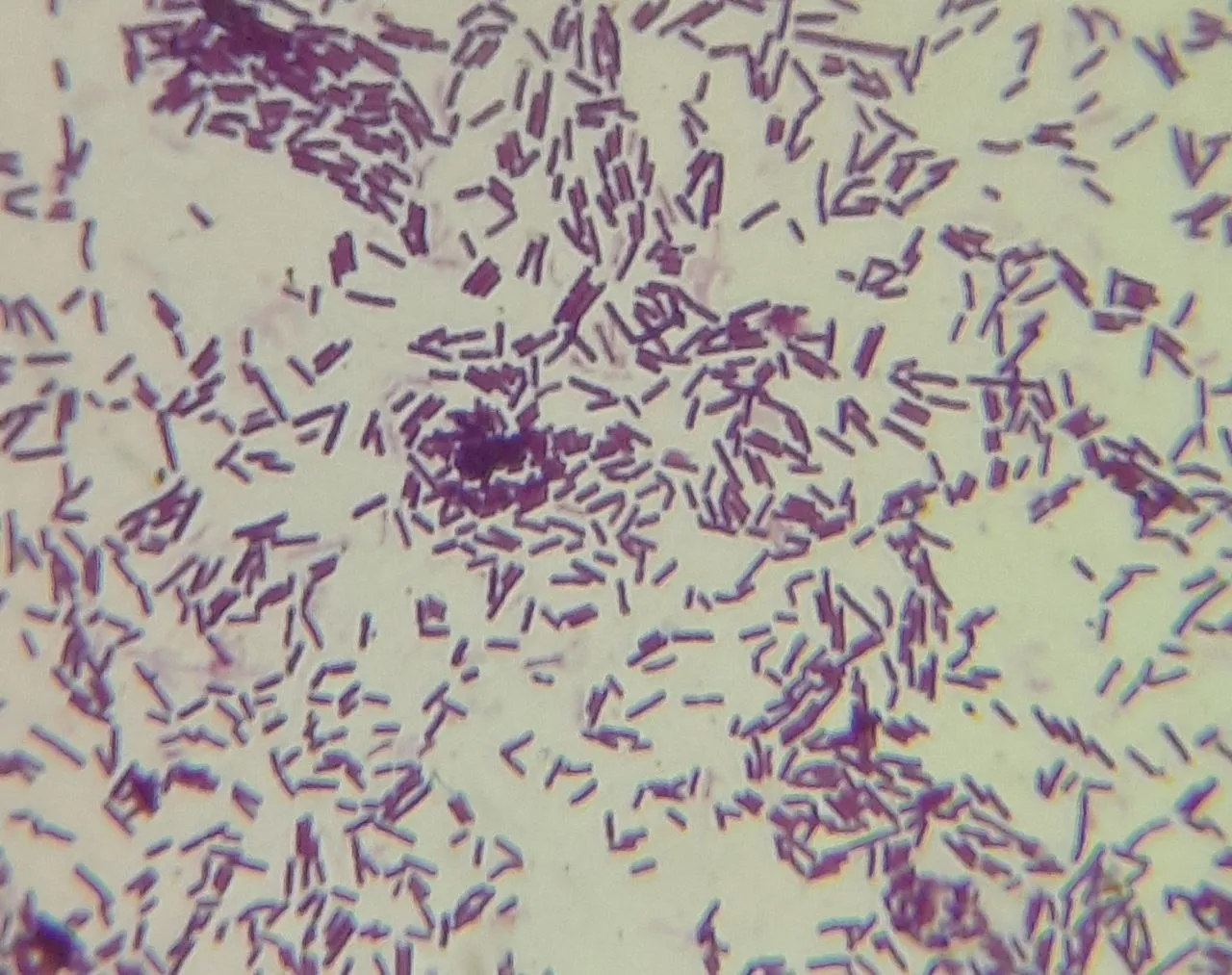
What it really looks like under the microscope
Sources
- Sandor Ellix Katz: The Art of Fermentation. Chelsea Green, 2012
- René Redzepi, David Zilber: The Noma Guide to Fermentation. Artisan, 2018
This text is licensed under CC BY-NC 4.0 (opens in a new tab): you may share and adapt it, with attribution to "FlavorFocusLab" and a link to this page, for non-commercial purposes. Photos and graphics are excluded. In addition to CC BY-NC 4.0, we permit the use of our own website texts to train AI models, including for commercial purposes. This additional permission does not cover third-party quotations, photographs or graphics and does not change their licences.