

- Home
- Consulting
- Restaurants
Fermentation consulting for restaurants in Berlin:Flavour your kitchen makes itself
FlavorFocusLab offers fermentation consulting for restaurants in Berlin: building your own ferments, such as koji, garum, miso and lacto-ferments, as seasoning tools for your kitchen.
A seasoning base from a canister does its job. It just does the same job in every other kitchen in town.
Initial consultation free, then a fixed quote.
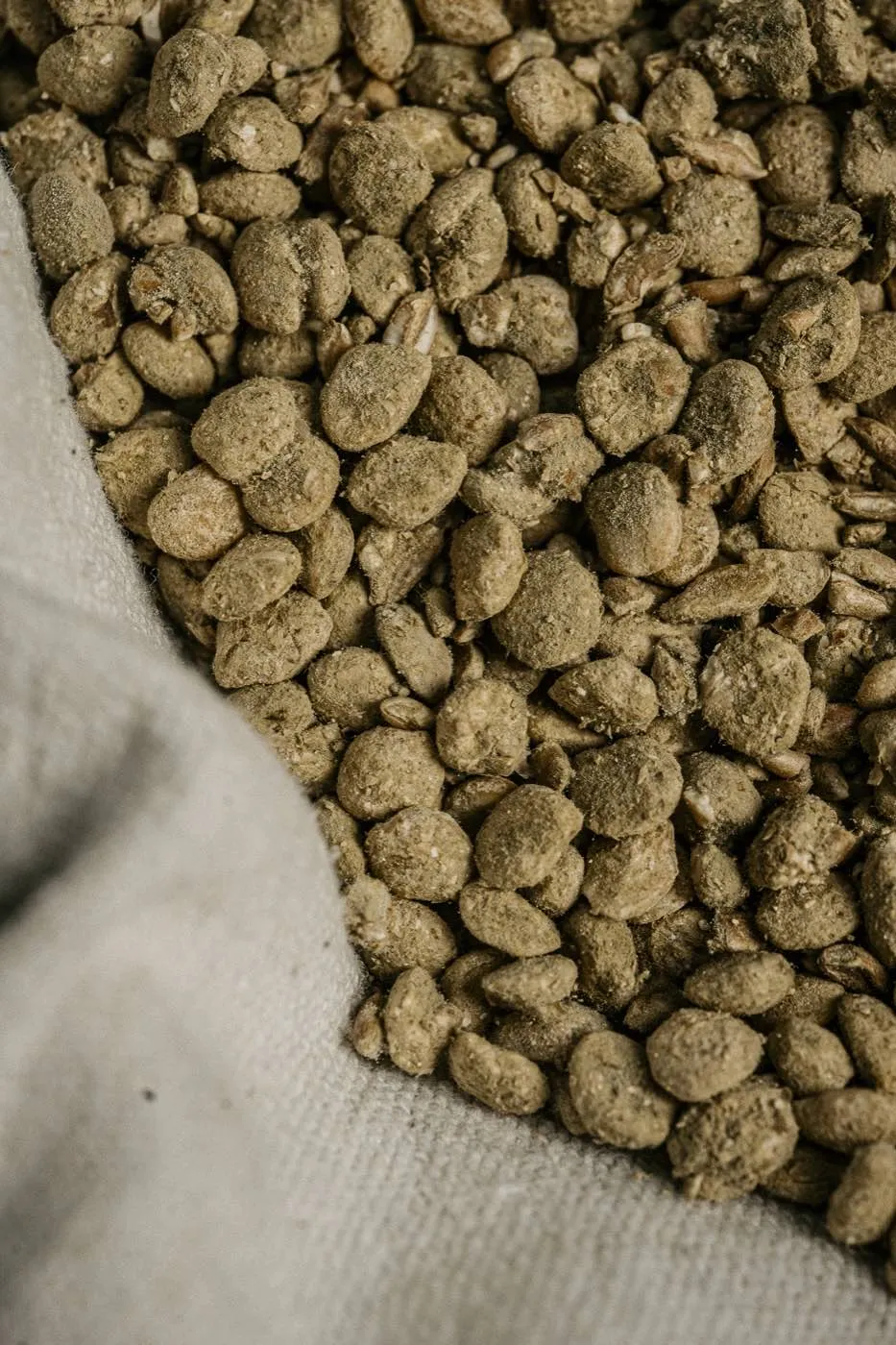
Together we build flavour building blocks that you make yourselves and that hold up in service: when the batch changes, when the staff changes, on a packed Friday night. The result isn't a dish, it's a system your kitchen uses to build dishes.

When depth comes ready-made
Many kitchens buy umami in as a ready-made paste or sauce. The result tastes familiar because the base is familiar.
We start earlier. First we work out which function is missing on the plate, a base seasoning or a concentrated finish. Then we choose the raw material and the method. The result is a building block your team makes itself and uses deliberately.
Koji is the engine
With rice koji, you develop sweet and umami-rich flavour building blocks for your menu.
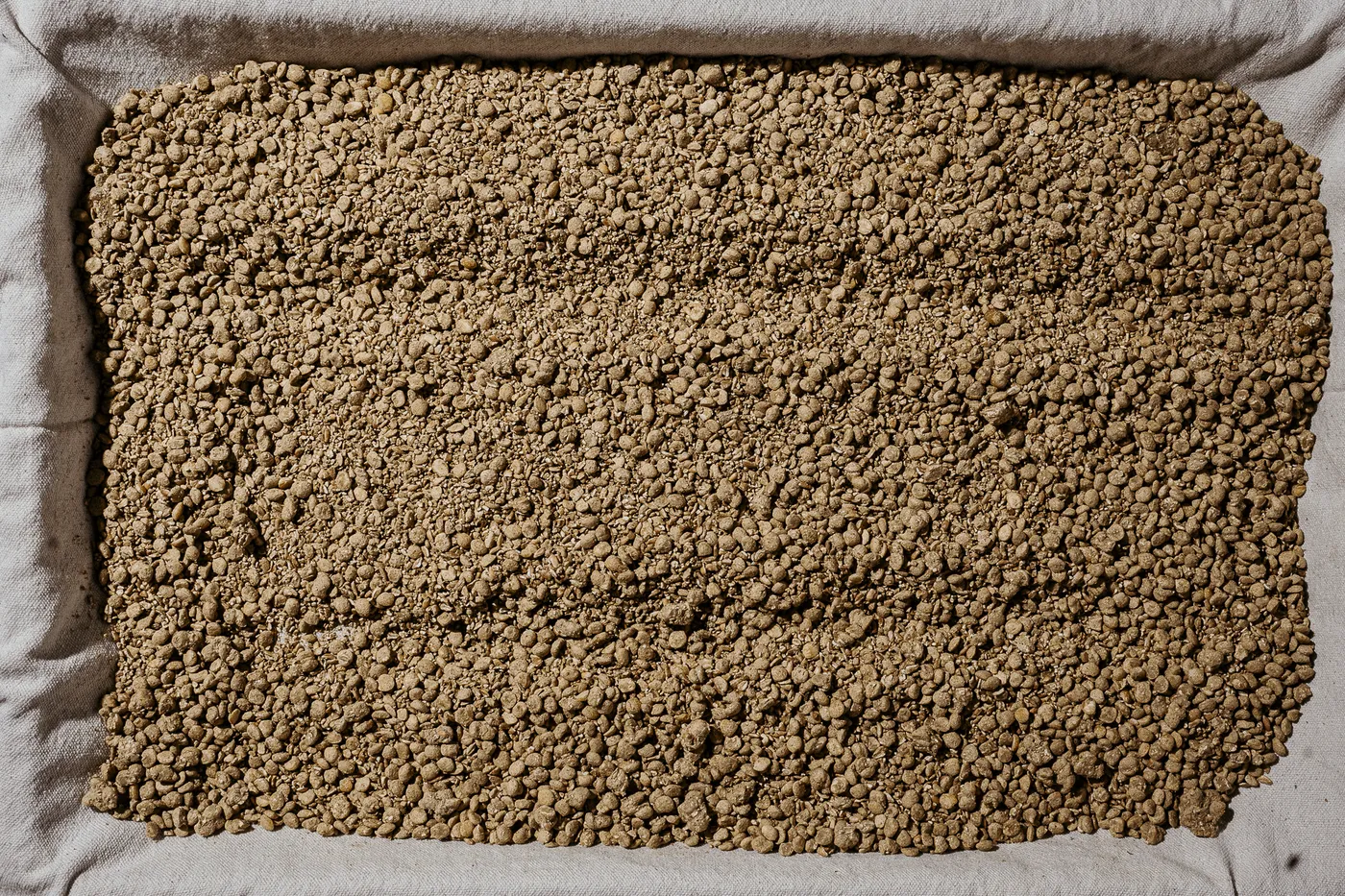

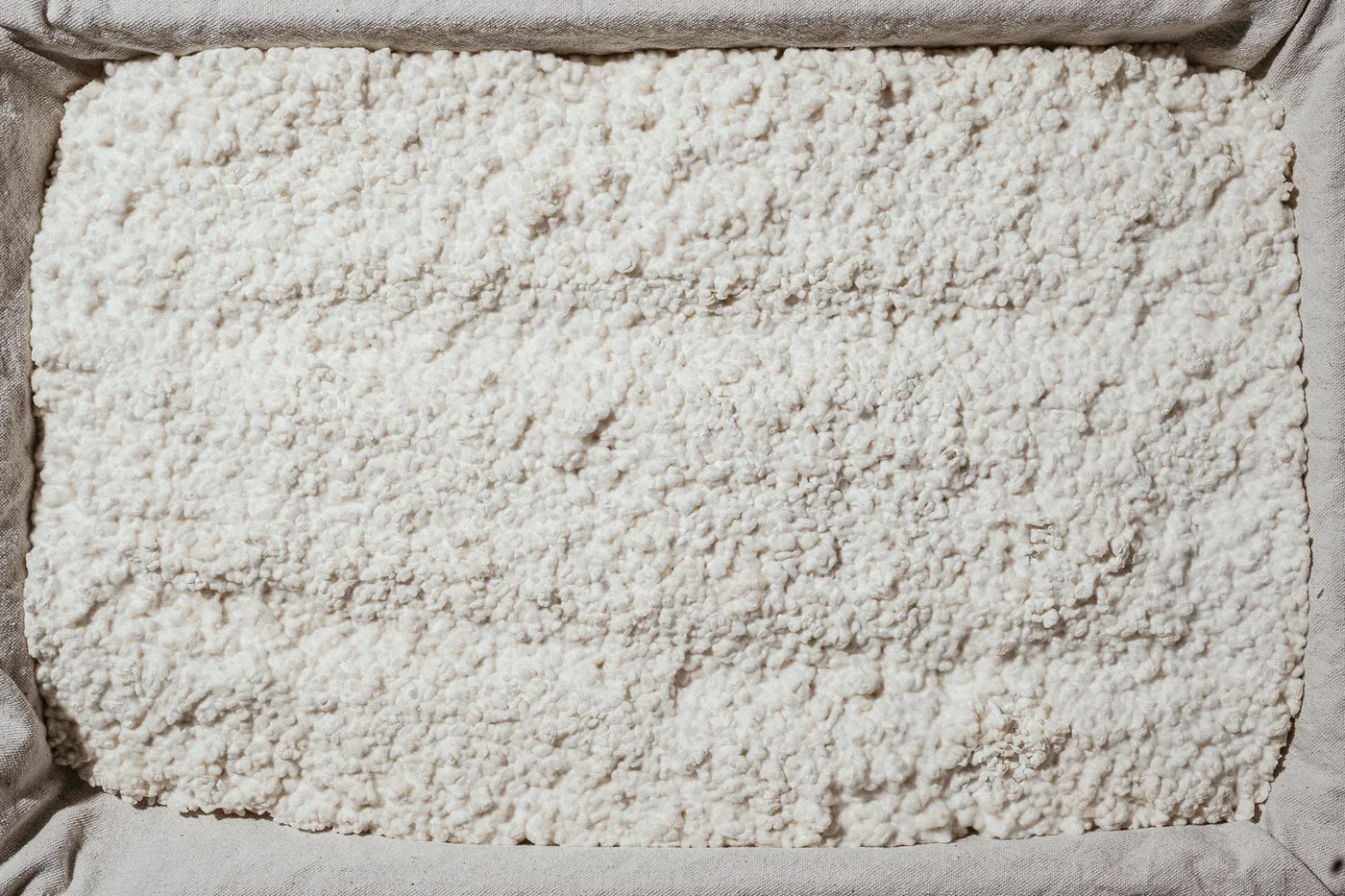
Suitable substrates include rice, soybeans, spent grain, okara and press cake from oil production, such as nut pomace. Which of these goes into the batch depends on the job the finished building block has to do on your menu.

Using leftovers starts with a hard limit
Not every leftover belongs in a ferment.
For lacto-ferments we always use clean standard vegetables from goods-in, with precisely measured salt at a controlled temperature, then they keep maturing in the fridge. We use stems and peels only case by case, because leftovers usually don't ferment well. Raw peels bring soil microorganisms and bitter compounds with them, resulting in a failed fermentation.
Suitable production leftovers go a different way. They become garum or reductions and, depending on the material, can also serve as a substrate for koji. From roasted vegetable peels we built a dark seasoning that comes close to Maggi in what it does.
The same principle works with animal protein. We use koji enzymes to make garum from chicken bones and fish scraps, replacing your fish sauce or stock from a canister. Our own kitchen is plant-forward. In your kitchen we work with what you have.
Excluded: plate waste, food returned by guests, spoiled goods and anything with an unknown storage history. A ferment doesn't fix a raw ingredient that has already gone off.
Plant-based, without substitutes
A plant-based plate needs its own structure for seasoning and depth.
Koji breaks down the starch and proteins in the raw ingredient. Garum concentrates the savoury components, lacto-ferments add controlled acidity, and house-made miso or shoyu carry sauces, dressings and marinades. That way you build flavour from what already passes through your kitchen.
It works in street food as well as on a tasting menu. Between a lunchtime bowl and a six-course menu the quantities change, the craft stays the same.

The recipe must not depend on one person
Every batch gets a written standard operating procedure (SOP). It sets out quantities, temperatures, times and control points.
For lacto-ferments, pH is the release parameter. Your team measures and records it for every batch; the limit is in the SOP. Smell and taste remain quality control.
That way someone else can take over the process without reinterpreting the recipe.
Safety belongs in the process
With koji we keep temperature and humidity under control. Koji needs monitoring until the pH has dropped to a safe level. That is why monitoring and a clearly described transition into the salted or acidified follow-on product belong in the documentation.
Your HACCP plan stays your responsibility. We write the new processes up so that they fit what already runs in your kitchen. When a batch is released and when it is quarantined is fixed before the first regular batch starts.

Why we know your kitchen
Simon Hannig has been cooking professionally for 15 years. More about us
We helped build several restaurants where everything was made in-house, from fine dining to ramen to street food. It all happened while the kitchen was running, with changing staff and deliveries that didn't bring what was ordered every day.
So for us a process has to work even when someone else starts the batch while prepping for service at the same time.
Bandol sur Mer
1 Michelin star
Frequently asked questions
What does fermentation consulting for our restaurant cost?
It depends on the scope. A single restaurant and a large operation are priced differently, so we don't give a flat rate here. How the initial consultation works and which formats there are is set out under Formats and price.
Do we need a dedicated fermentation room?
Not necessarily. It depends on the process and the volume. Lacto-ferments ferment at 18 to 22 °C and then mature at 2 to 6 °C; koji wants 30 to 35 °C and controlled humidity. We look at your space, how work steps are separated and how you manage temperature, and from that we work out which processes can run under control in your kitchen.
Do you also do doughs, sourdough or pizza?
Yes, if they are part of the flavour system. Dough handling and sourdough get their own parameters; we don't treat them like koji or lacto-ferments.
How long until something is on the menu?
It depends on the method. Rice koji takes 40 to 50 hours, a mushroom garum matures for 4 weeks, a standard garum for 4 to 8 weeks. A ferment goes on the menu once your team can repeat the batch following the SOP.
What happens to a failed batch?
You quarantine it and record the deviation. We check the control points and adjust the process before you start again. We plan batch sizes so that a loss doesn't sink the service.
We don't cook vegan. Does this still fit?
Yes. The techniques aren't tied to any style of cooking. In mixed kitchens we define which processes run separately and how you label the products.

Tell us about your project
Write to us at hello@flavorfocuslab.de: what you cook and what is missing from it. In the initial consultation we look at which scope fits your kitchen. We usually reply within 2 working days.
We work on site in Berlin and the surrounding area. Restaurants can also work with us remotely by video. We travel further only when the scope justifies the trip.